Pool deck guide
Pool Deck Sealing in Tampa: When Does It Help?
Learn when sealing pool deck pavers or concrete makes sense, what preparation matters, and when repair or resurfacing is the better conversation.
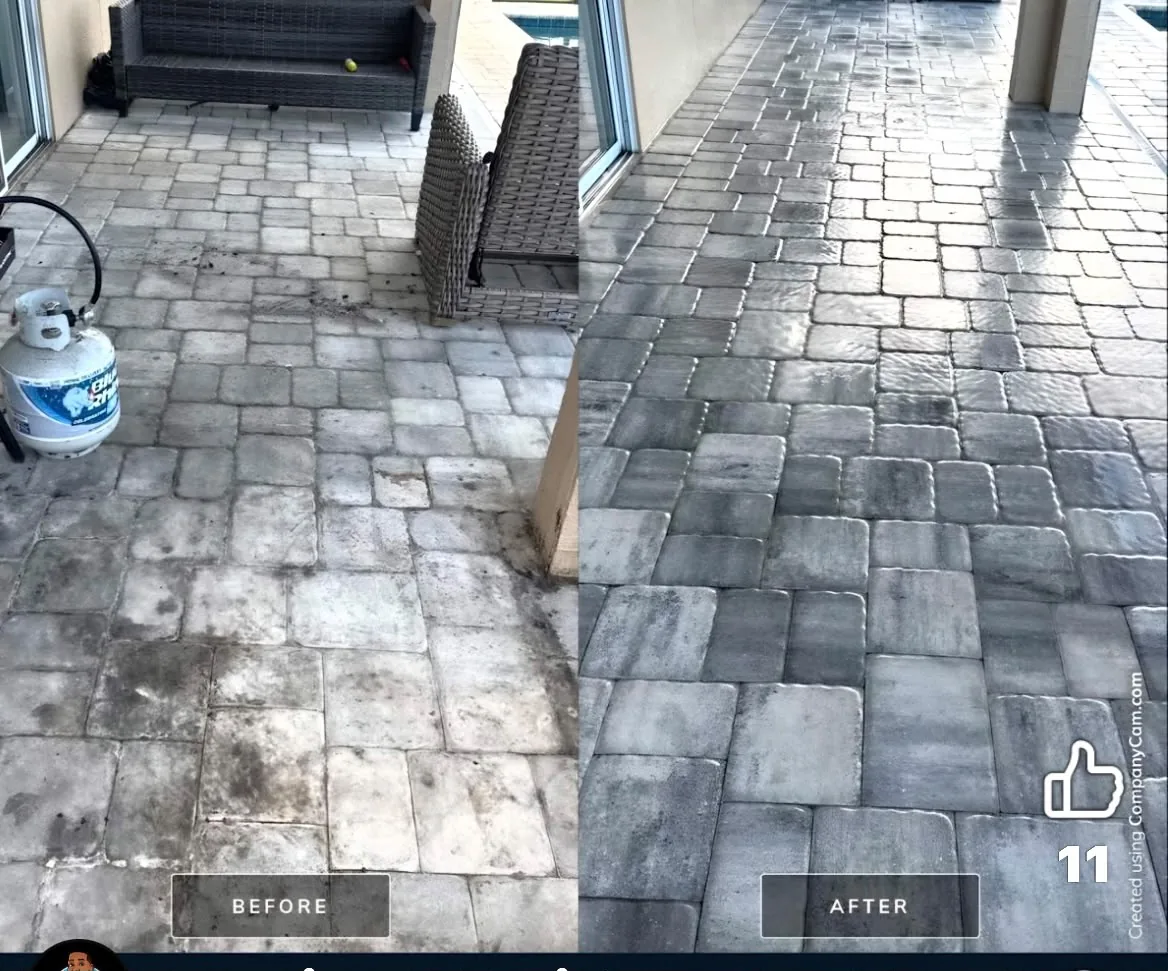
Sealing protects a suitable surface
A sealer can help protect the appearance of certain pool deck materials, but it cannot repair a damaged slab or make a failing coating bond again. The right product and preparation depend on whether the deck is concrete, pavers, an existing overlay, or another material. A surface that looks dull may need cleaning; one that is peeling or hollow may need a different repair plan.
Around a pool, ask how the proposed finish performs when wet and what maintenance it needs. Appearance options such as natural, satin, or wet look can affect the way a surface looks and feels. A sample area helps set expectations before a full application.
Preparation matters more than a quick topcoat
Dirt, algae, old sealer, moisture, and loose joint sand can interfere with the result. On pavers, the work may include cleaning and refreshing joint sand before sealing. On concrete, existing coatings and cracks should be assessed before a sealer is chosen. Applying a new product over an unknown old finish can produce uneven color or premature failure.
Tampa Bay's rain, humidity, and pool use make timing important. Your contractor should explain when the surface can be washed, coated, and walked on again for the specific product being installed.
When sealing is not enough
If the deck is pitted, moving, extensively cracked, or has a coating that is lifting, ask about repair or resurfacing instead. An inspection should identify the existing material, the reason it is failing, and the work needed before a new finish. Send photos of both the whole deck and the problem areas to start the conversation.